Dealing With a Sports Injury? These Are Your Treatment Options
Suffering a sports injury due to trauma or overuse of muscles is no laughing matter. When you find yourself dealing with a sports injury, your best bet is to visit a sports injury clinic where you can undergo different treatment options, which support a fast recovery time and prevents future injuries.
Once you decide to visit a sports injury clinic and optimize your recovery, the following are the common types of
sports injuries and the treatment options available:
Common Types of Sports Injuries
Sports injuries are common and are usually the result of poor form, overtraining, and lack of stretching. Sports injuries are not only subject to those playing sports. They are also common in those who do everyday exercises.
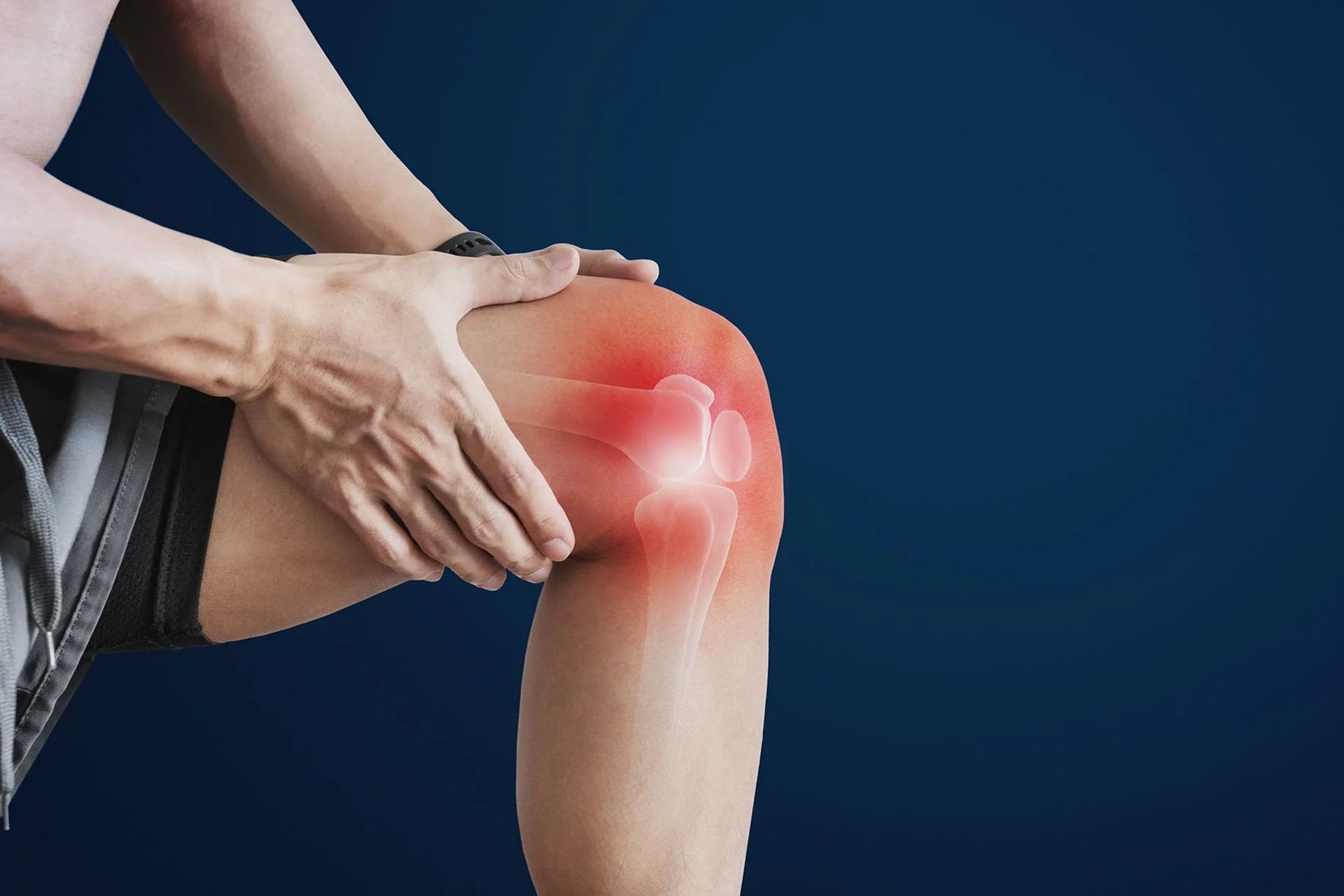
A few of the most common sports injuries are muscle strain, sprained ankle, and torn ACL.
A muscle strain is caused by overstretching, forcing, or overusing the muscle or tendon. Muscle strains are common in the wrists, ankles, and knees.
A sprained ankle occurs when the ankle is forced into an unnatural position. This type of ankle injury can be caused by tripping or falling, running on uneven surfaces, rolling ankles, and more.
The anterior cruciate ligament (ACL) is one of the four main ligaments used to stabilize the knee joint, keeping the leg stable. A torn ACL is often the result of landing awkwardly after a jump or sudden stops while running.
Your Treatment Options:
- Electric Stimulation: Using self-adhesive electro pads that are placed on the target area, electricity passes through a wire connected to the device resulting in electric stimulation to the motor and sensory nerves. Electric stimulation is safe and can reduce muscle spasms, improve circulation and range of motion, and decrease swelling. This treatment option is a great way to provide pain relief for common sports injuries such as those mentioned above.
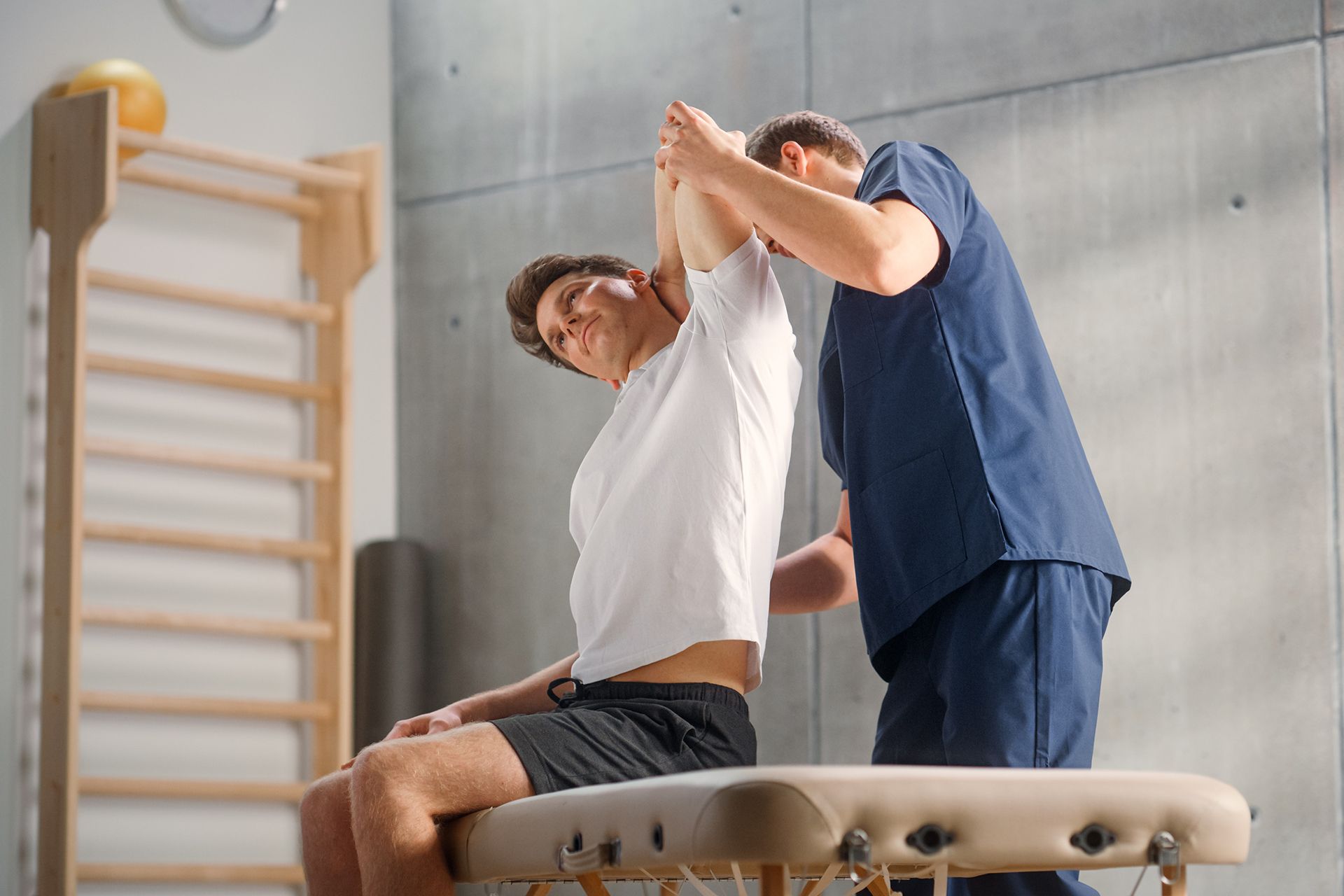
- Physiotherapy: A non-invasive approach to managing pain or injury, physiotherapy consists of treatment plans containing exercises and lifestyle advice that provide a quick road to recovery while reducing pain.
- Shockwave Therapy: Consists of low-energy acoustic waves applied directly to the injury. Shockwave therapy can promote cell repair and increased mobility. This type of therapy is safe and non-invasive and offers relief from most sports injuries.
How Many Sessions Will It Take to Heal the Injury
Recovering from sports injuries can be a long process that requires patience and determination. Most injuries take a minimum of six-to-eight weeks to heal. The sooner you start your treatment recovery plan, the sooner the injuries heal.
With shockwave therapy, you can expect three-to-six treatments, with each treatment lasting 2-4 hours. Eighty percent of patients report that they notice a difference after the first treatment.
Physiotherapy is an individualized treatment created specifically for your unique treatment plan. The treatment plan will consist of visiting the clinic two-to-three times a week and spending 30 to 60 minutes per session. Electric stimulation is typically used in conjunction with physiotherapy and relieves stubborn pain caused by the injury.
We Are Here for You
Located in Mississauga, our dedicated team of pain specialists at Delta Physiotherapy & Rehab can help put together your unique treatment plan dedicated and tailored to eliminating your pain as quickly as possible. We use a holistic approach that ensures your recovery is non-invasive and comfortable, allowing you to feel at ease and excited about every visit to our clinic.
If you’re interested in beginning your healing journey with us or have any further questions, please give us a call today at 905-270-3086 or fill out our online
contact form.